0 Homes
Annual Energy Output
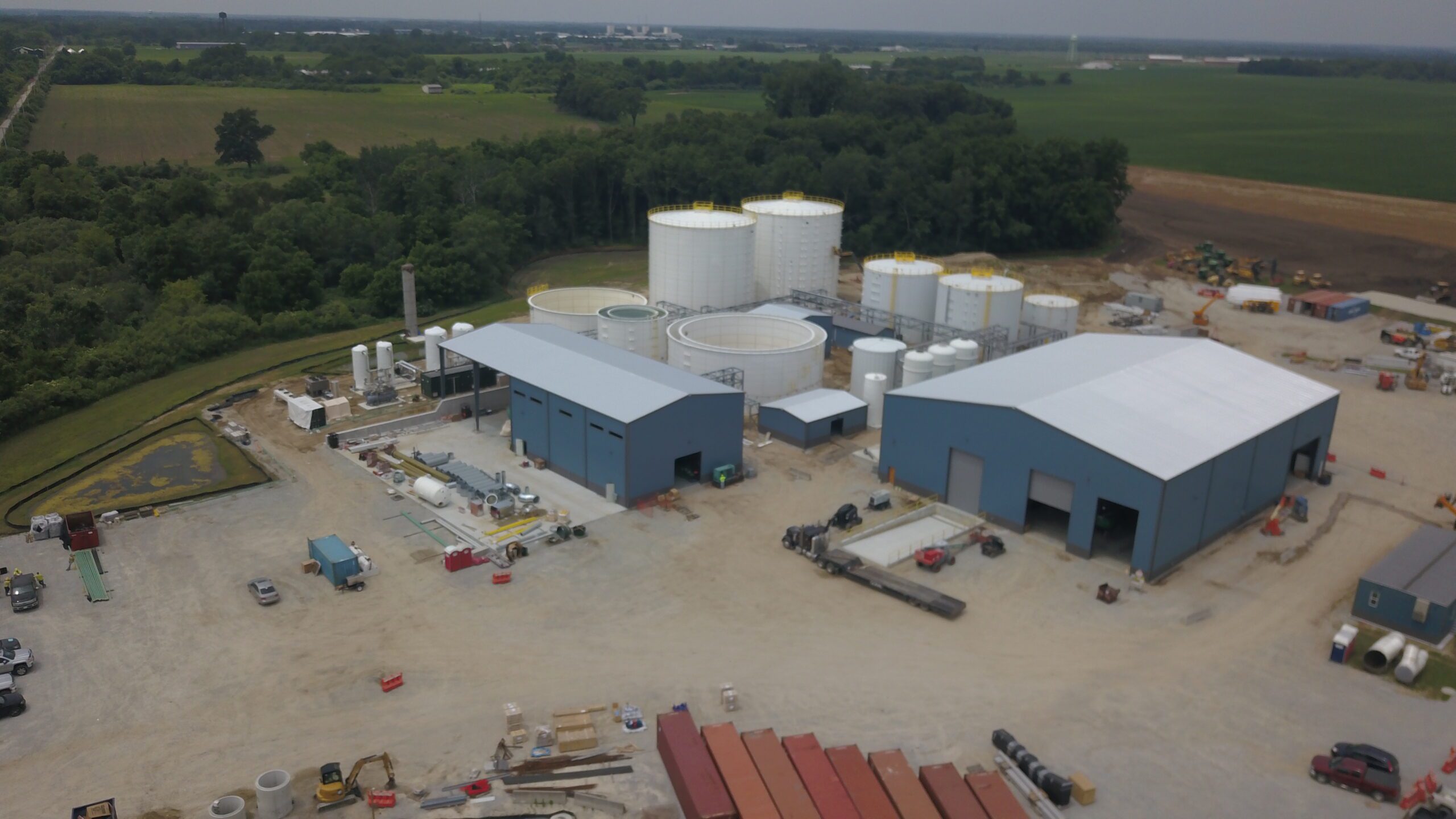
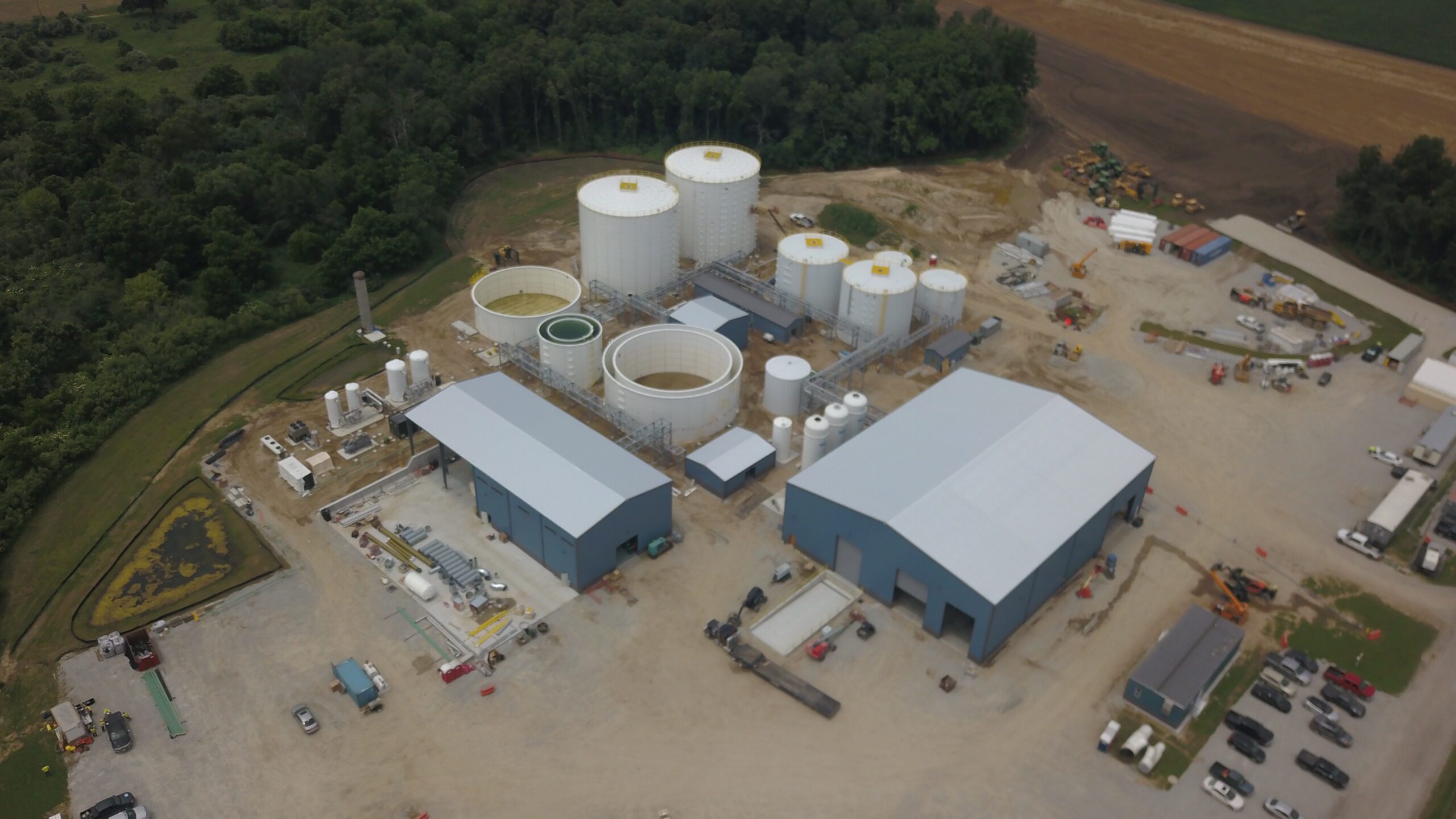
Kingsbury Bioenergy is more than a facility, it’s a proof point for what’s possible when innovation meets opportunity. Designed to divert thousands of tons of waste from landfills and lagoons, Kingsbury converts that waste into a local, decarbonized energy source while producing regenerative byproducts for agriculture, and jobs for generations.
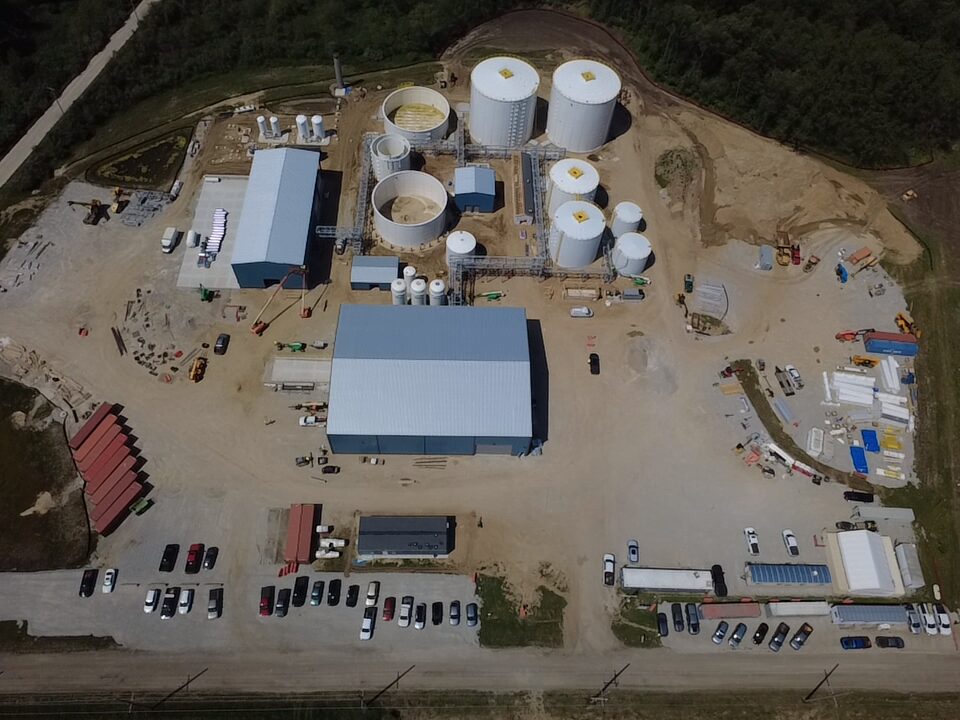

Situated in the crossroads of America, Kingsbury was strategically chosen for its proximity to agricultural waste sources, existing energy infrastructure, and strong community support for renewable development.
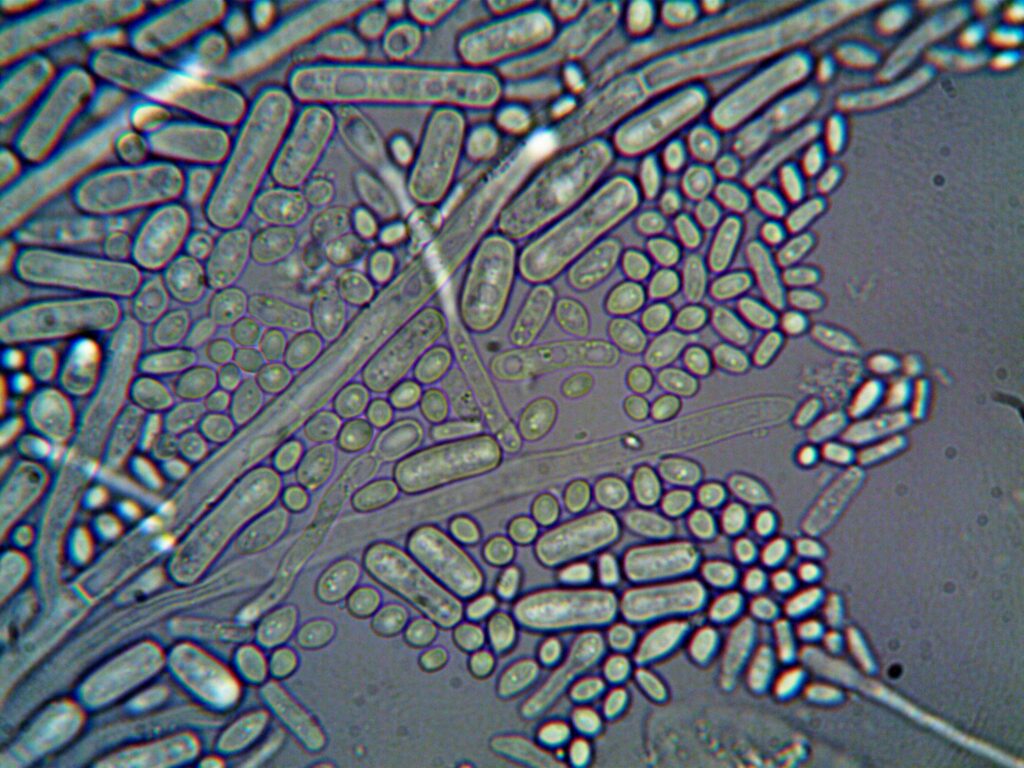
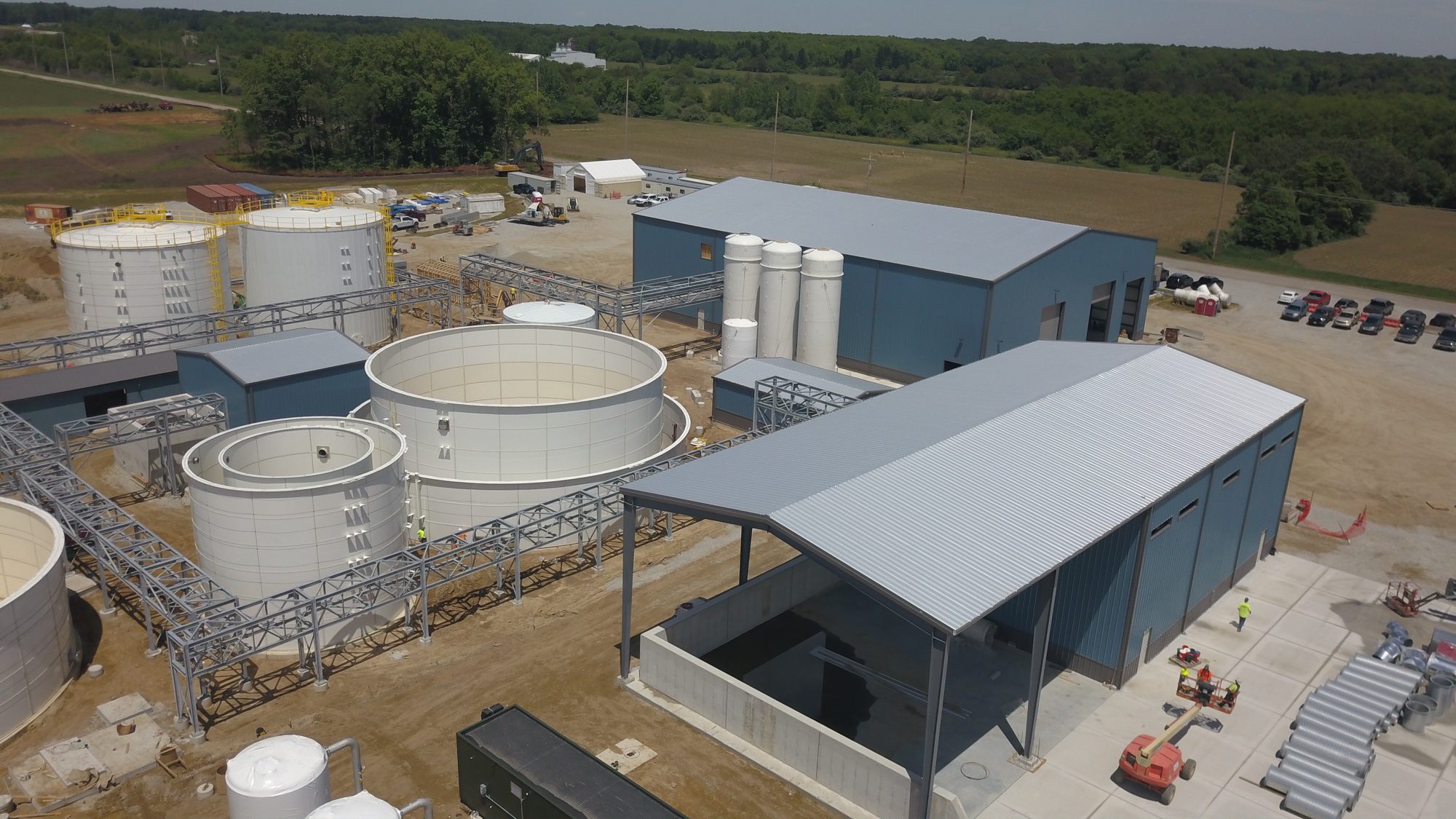
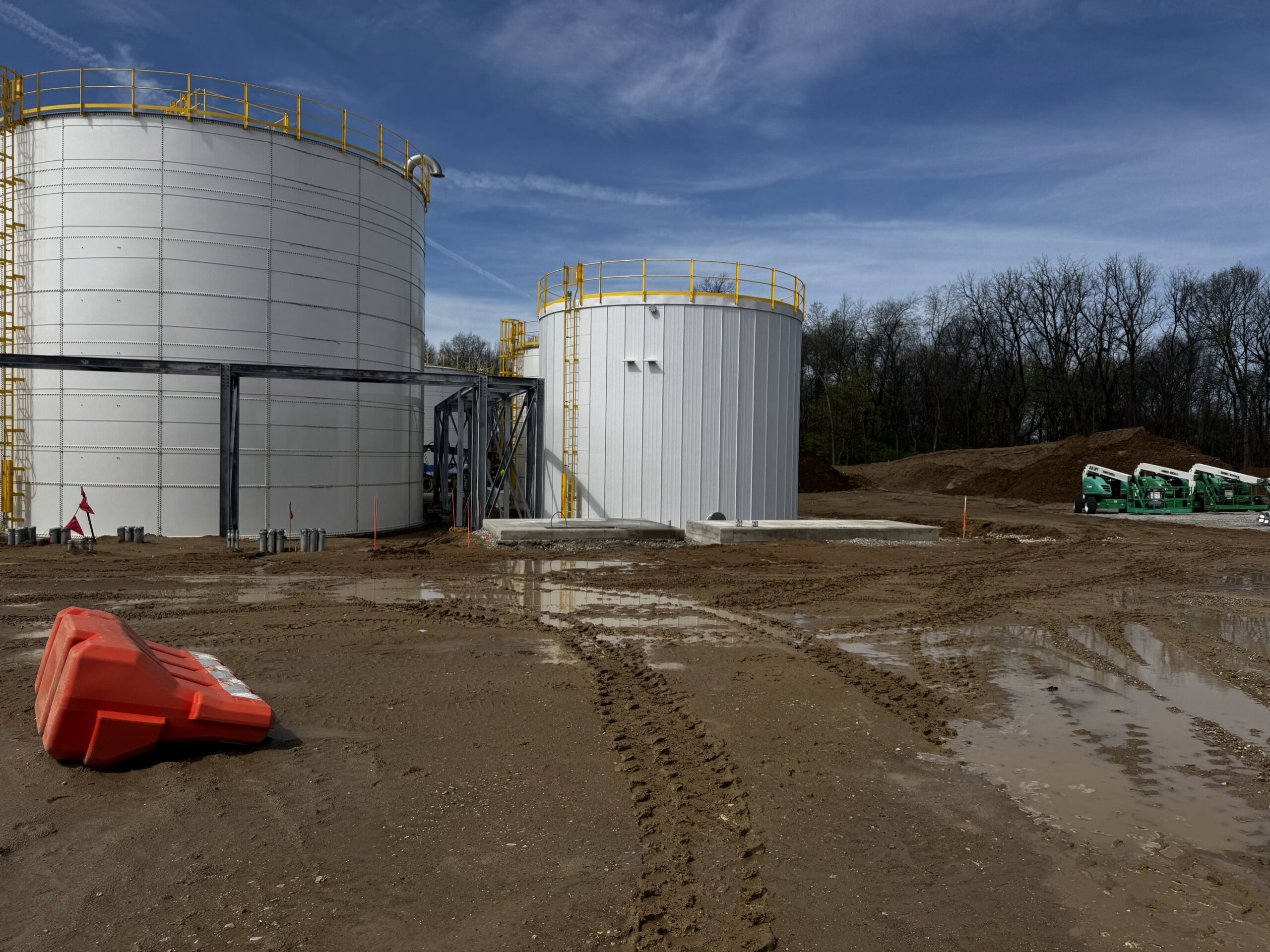
Kingsbury uses proven anaerobic digestion technology to break down organic waste in oxygen-free tanks, capturing methane and converting it into pipeline-grade renewable natural gas (RNG).
Read More
The Kingsbury Bioenergy facility is a liquid-state anaerobic digestion system designed by Global Water & Energy (GWE) to process pre-consumer food waste and fats, oils, and grease (FOG). Incoming solid food waste is depackaged using a Mavitec depacker, which produces a clean organic slurry with very low residual plastic or inert contamination. Liquid FOG is screened to remove grit and debris prior to processing.
The organic slurry is treated through thermophilic anaerobic digestion, a biological process that converts food waste into biogas. The process does not involve hazardous chemicals. Limited process additives may include food-grade or industrial antifoaming agents, small amounts of sodium hydroxide (NaOH) for pH control if required, and trace micronutrients (e.g., iron, cobalt) commonly used to support microbial health in digesters.
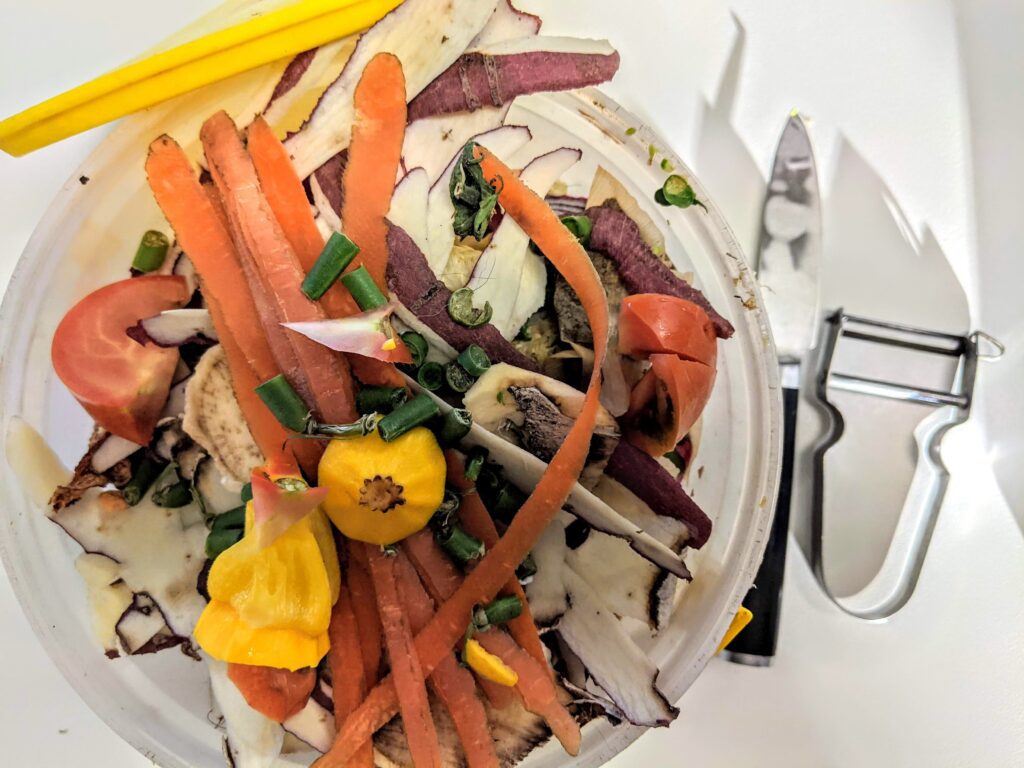
The facility processes a co- digestion mix of pre-consumer food waste combined with liquid organic waste, helping regional food producers, farms and institutions environmental impact while creating a valuable energy resource.
Read More
Organic Waste Criteria
Organic feedstock for anaerobic digestion must be biologically degradable and matched to the facility’s digester design and capacity, with moisture typically maintained around 70–83% to support microbial activity. Materials must be free of hazardous contaminants, metals and non‑biodegradable or non‑organic items that could harm digesters; wastes should also have an appropriate nutrient balance and low toxicity to promote efficient digestion. All incoming loads must undergo visual inspection and testing to verify chemical, physical and biological criteria, with chain‑of‑custody, segregation and documented rejection protocols in place to prevent contamination and ensure biogas quality.
Suitable Organic Waste Streams
Suitable organic waste streams for anaerobic digestion include industrial and commercial kitchen waste (food processing residues and scraps), agricultural residues and manure, meat and fish processing by-products, yard and green waste (grass clippings, leaves, wood chips), depackaged food separated from packaging, dairy residues (molasses, whey), animal manure from livestock, and biosolids/sludge from municipal or industrial wastewater treatment. These feedstocks provide readily digestible organics, sugars, and nutrients that boost biogas production and can serve as bulk or co‑feedstock to balance digestion; depackaged and preprocessed wastes diversify sources and increase organic content. Note: animal manure and wastewater sludge are highlighted as not allowable for the LaPorte, IN anaerobic digestion facility.
Unsuitable Organic Waste Streams
Organic waste streams unsuitable for anaerobic digestion include non‑biodegradable materials (plastics, glass, metals, rubber) and highly inert solids (stones, concrete) that cannot be broken down and can damage equipment; toxic, hazardous, or chemically preserved wastes (solvents, pesticides, paints, canned/preserved food) and fuels/petroleum derivatives that inhibit microbial activity or pose safety risks; high‑salinity or otherwise toxic wastes that harm microbial populations; wastes contaminated with heavy metals or radioactive materials which are regulated and unsafe; and wastes with very low organic content that offer limited biogas potential and cause inefficient digestion
Kingsbury produces RNG that meets stringent utility standards and is injected directly into the natural gas pipeline, displacing fossil fuel use and qualifying for environmental credits.
Read More
Renewable Natural Gas (RNG) is a low-carbon, waste-derived fuel used to power vehicles, homes and businesses around the world.
How does it work? Every community in America produces waste. As that waste breaks down, it emits methane, which is a naturally occurring, but potent and harmful greenhouse gas (GHG).
RNG projects capture this methane from existing food waste, animal manure, wastewater sludge and garbage, and redirect it away from the environment — repurposing it as a sustainable, reliable form of alternative energy. Made from matter that is already decomposing right under our feet, RNG is the product of pure innovation and ingenuity.
RNG is nearly chemically identical with fossil-derived natural gas — and therefore can be transported, stored or used through existing gas infrastructure. This helps explain why scores of farms, businesses and residents in North America and around the world are increasingly turning to RNG to replace their fossil fuel supply. In Europe, certain forward-thinking countries are already planning to replace 100% of their fossil gas supply with RNG within this decade.
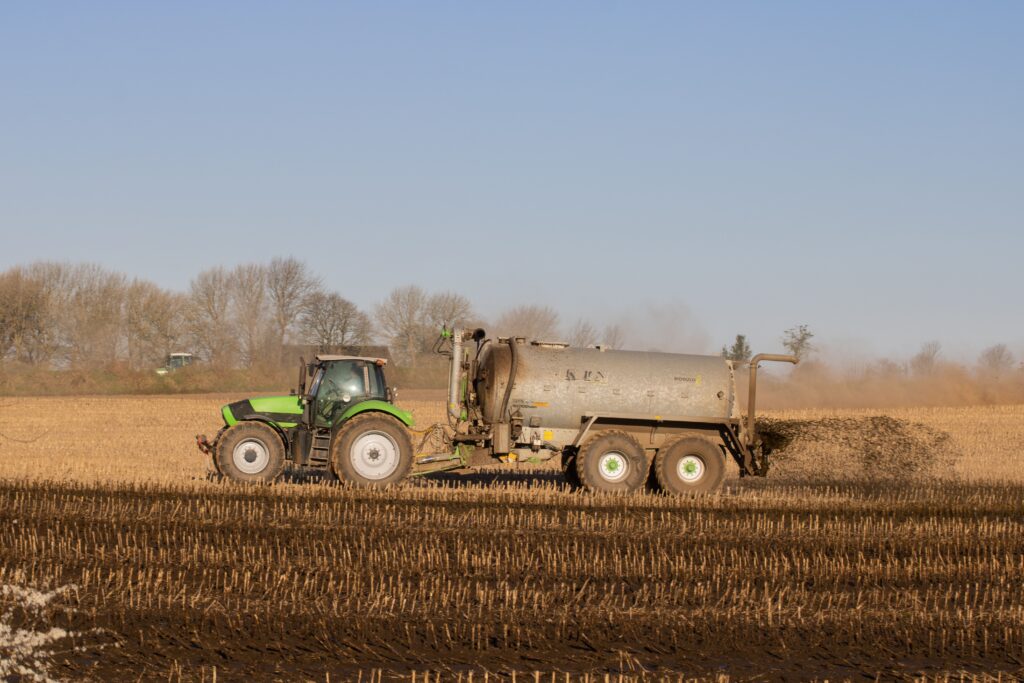
Beyond energy, the digestion process yields nutrient-rich solids, reused locally to support sustainable agriculture and reduce groundwater strain.
Read More
After digestion, the material is mechanically dewatered using screw presses with the addition of a liquid polymer to aid solids separation. The resulting solid digestate consists primarily of stabilized organic matter and moisture, with significantly reduced odors and pathogens due to the high-temperature digestion process. No industrial wastes, hazardous materials, or toxic compounds are introduced at any stage of the process.
The solid digestate is suitable for use as landfill daily cover and is not expected to create operational, environmental, or regulatory concerns when managed in accordance with standard landfill practices.

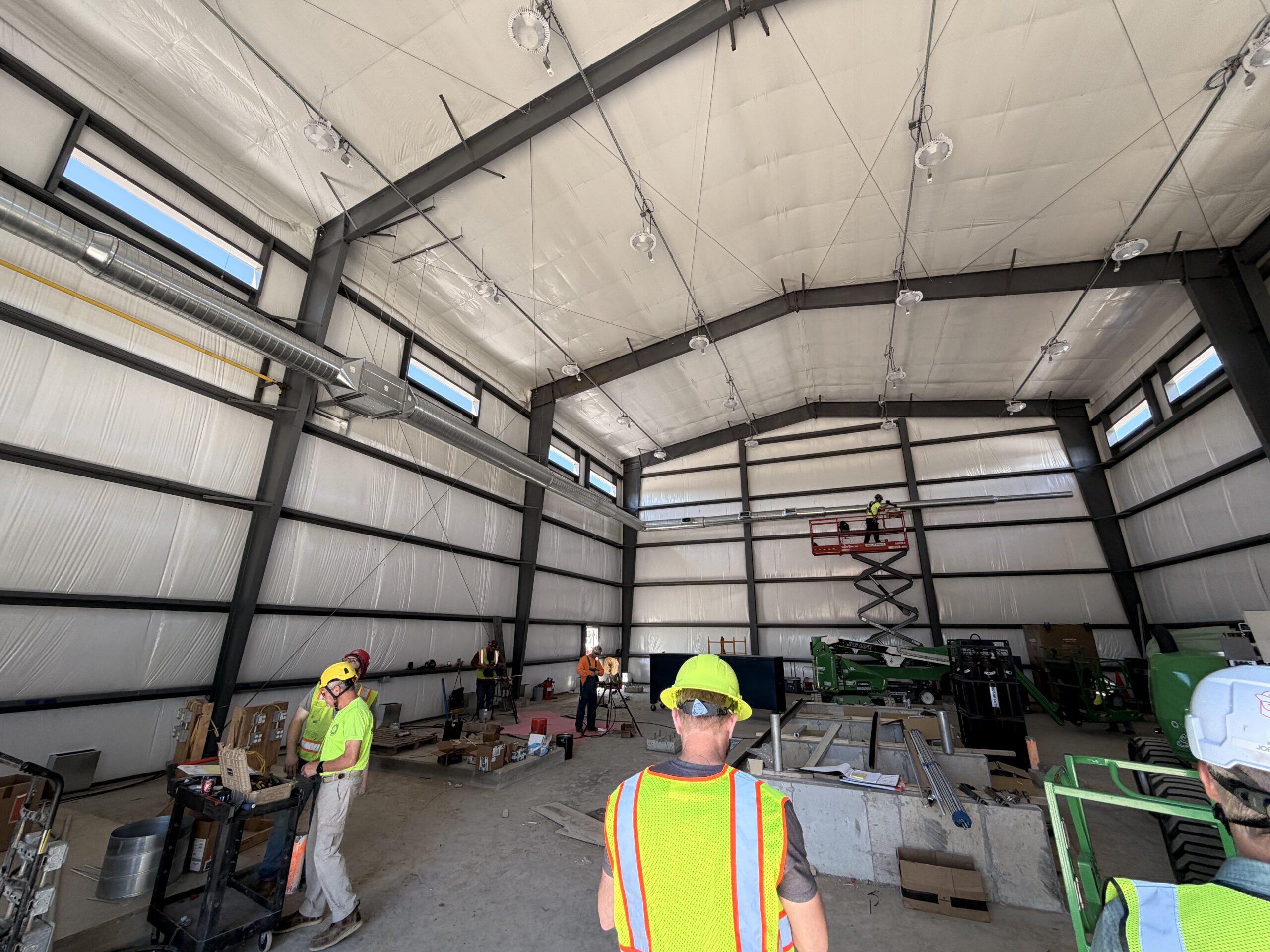
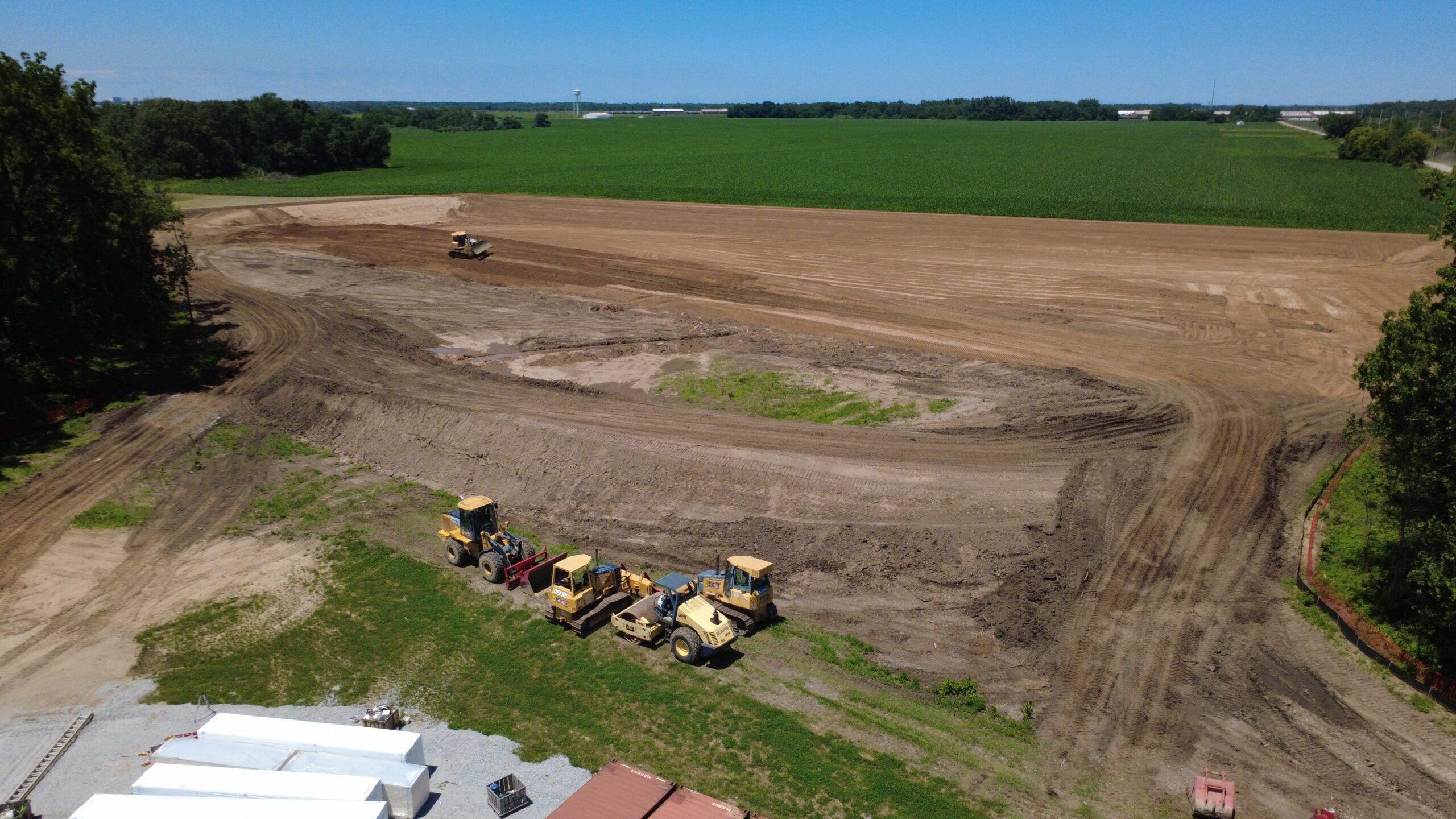
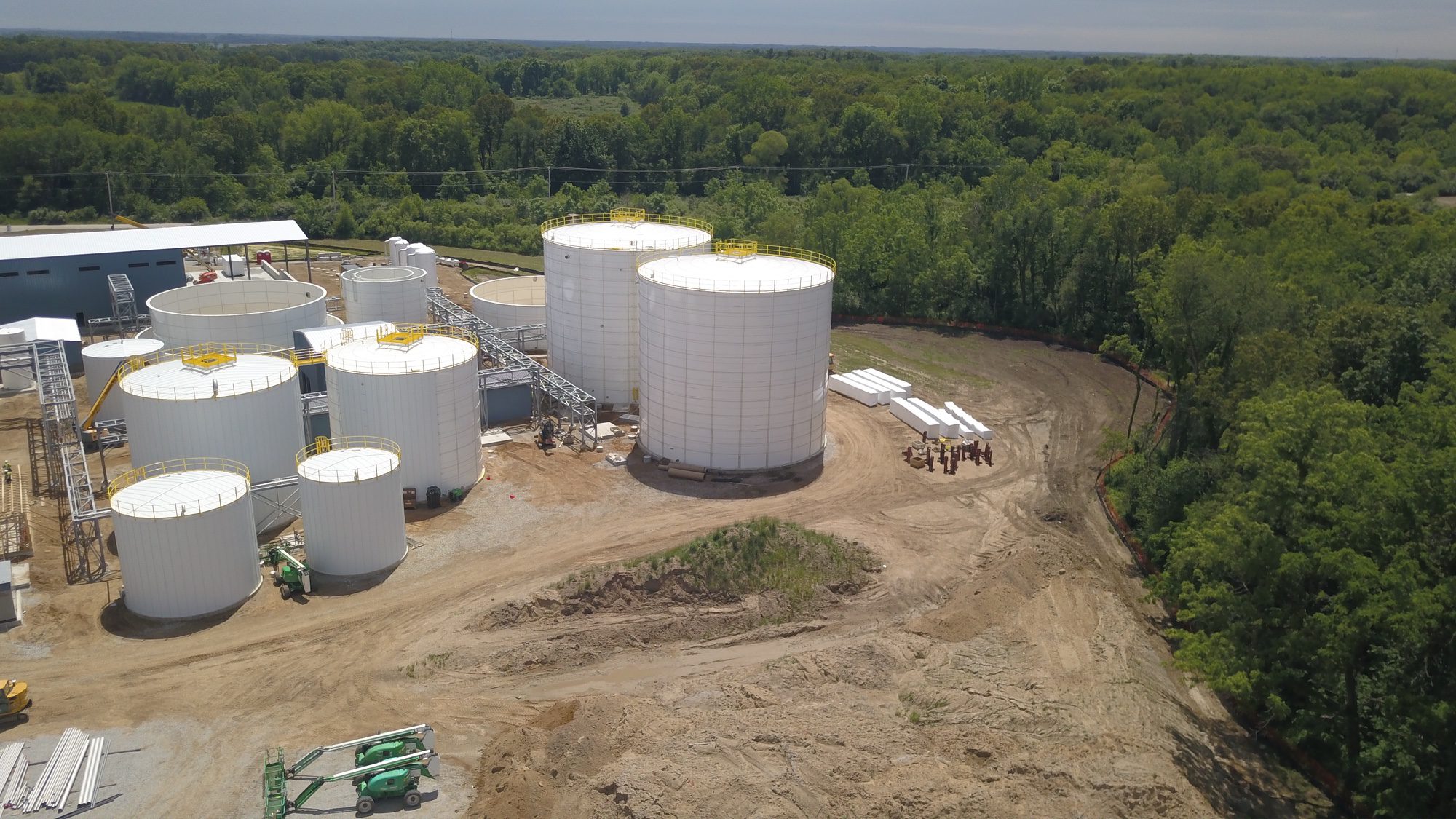
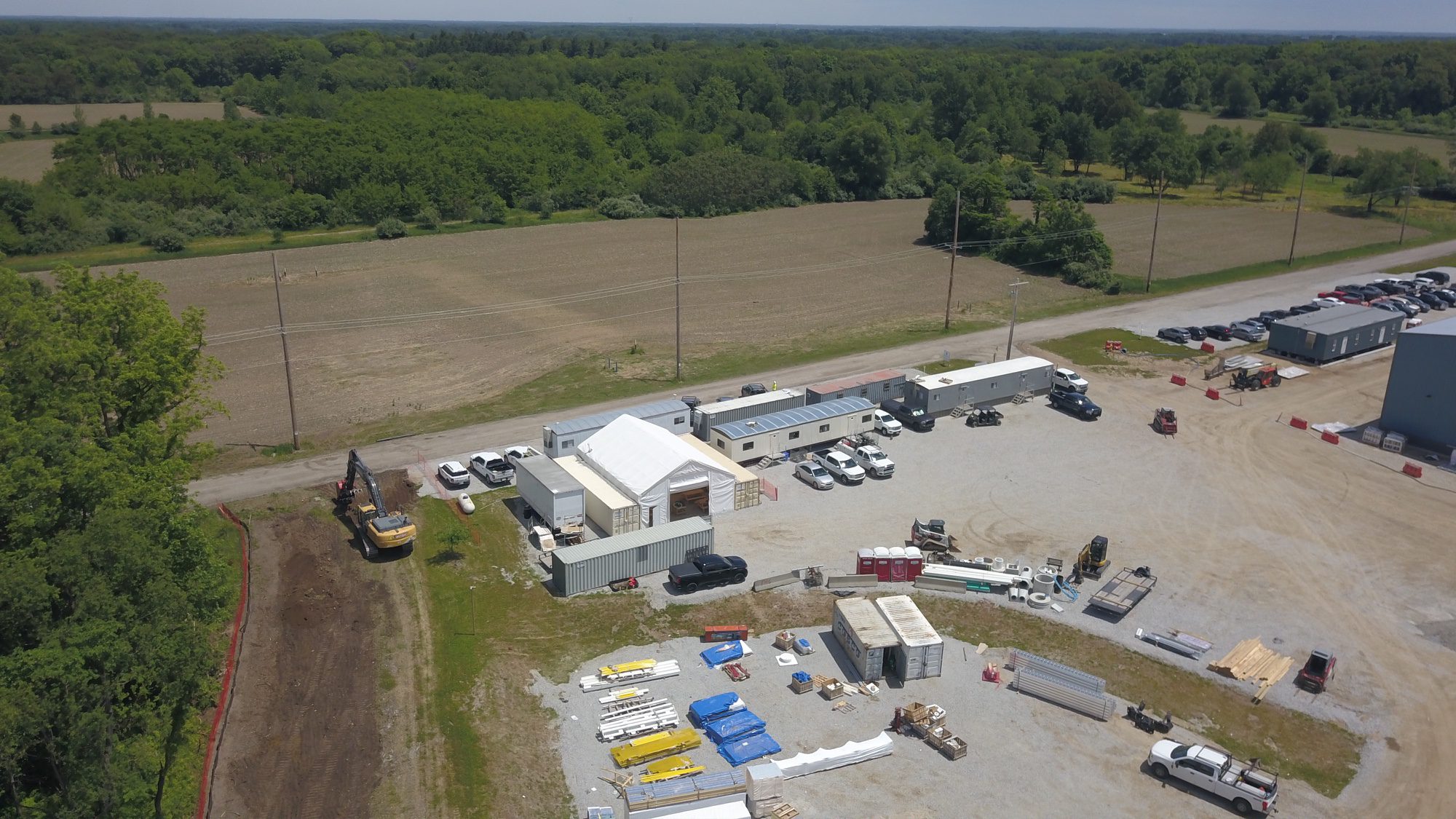
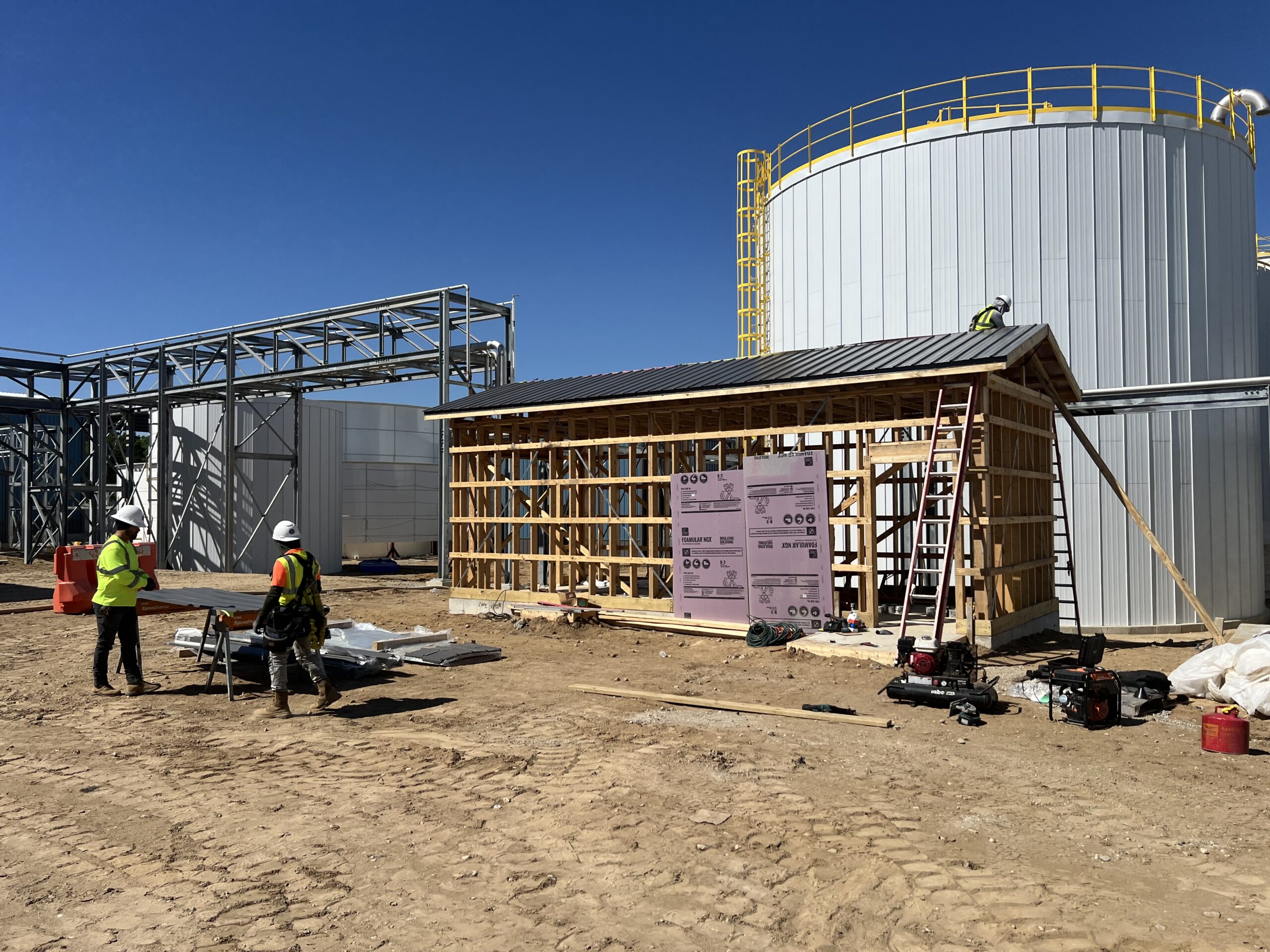
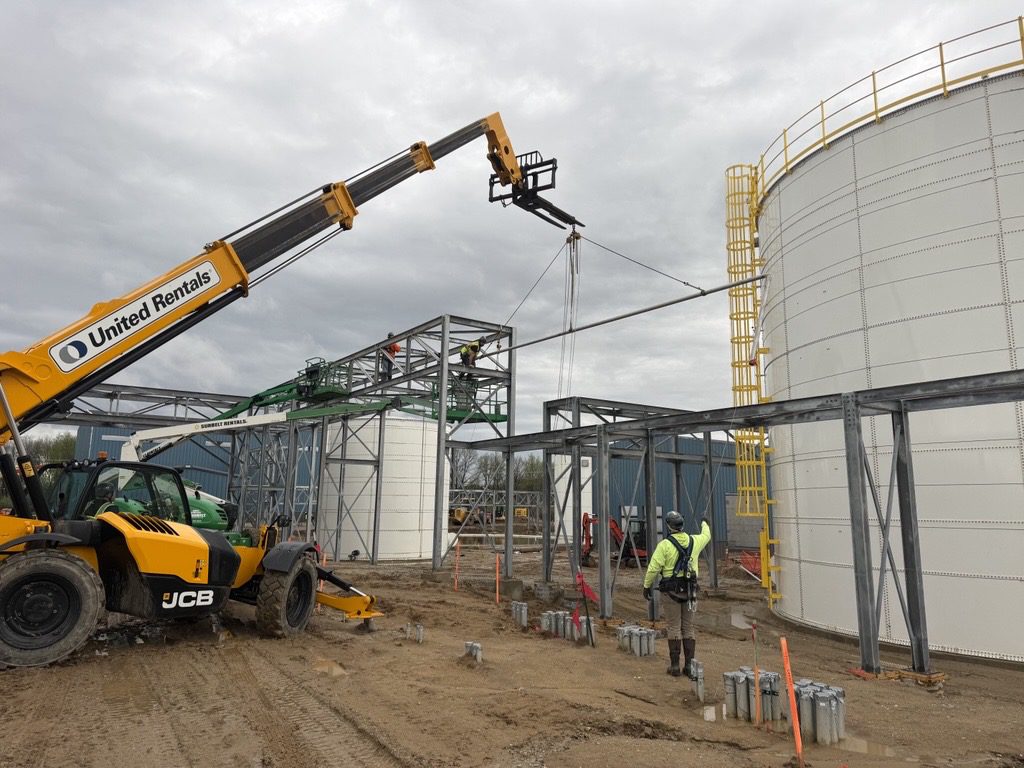
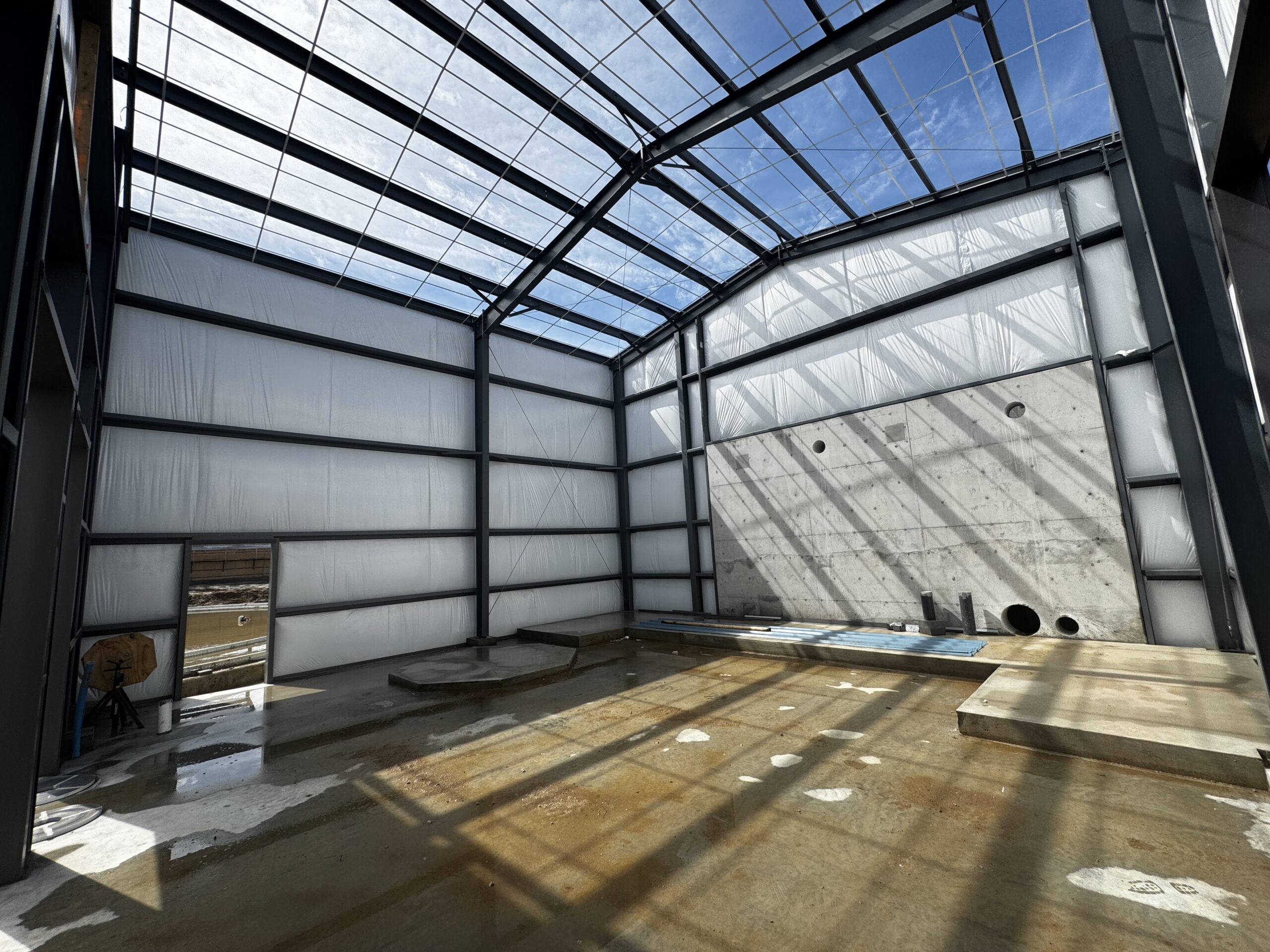
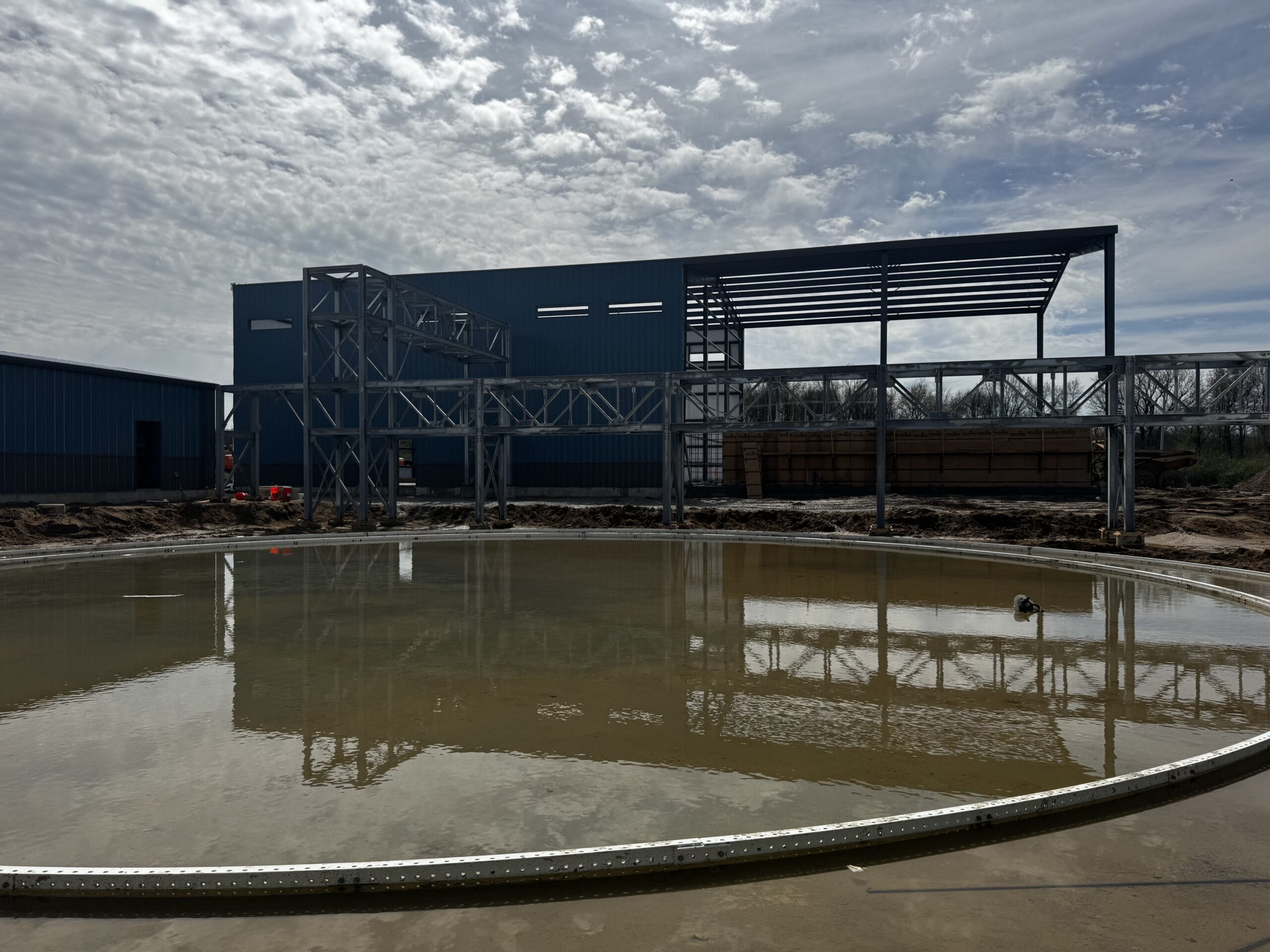
Kingsbury Bioenergy broke ground in March 2025 and is currently under active construction, with commercial operations expected in Q4 2026.
Download DetailsThe Kingsbury Bioenergy Complex is a next-generation organics recovery and renewable energy hub being developed in LaPorte County, Indiana. Designed as an integrated waste-to-value system, the facility combines advanced anaerobic digestion, material recovery, and nutrient recycling to transform regional organic waste streams into clean energy and beneficial byproducts.
The Recycling Market Development Program, an Indiana Department of Environmental Management fund, was created to better manage solid waste and create economic development opportunities in the state. Our Kingsbury Bioenergy facility will do just that: recover value from waste, reduce methane emissions, and create new markets for recycled organic products. The $500k award will be used to purchase depackaging equipment, separating organic waste from its synthetic counterpart, diverting what would otherwise go to landfills and using it to produce renewable energy from local waste streams.